

Running a towing business in the United States is not for the faint of heart. You are on the road in heavy traffic, working in bad weather, recovering damaged vehicles, and often dealing with unhappy customers. One small mistake can turn into a six-figure liability claim. That is exactly why tow truck insurance is not just a legal box to check. It is the financial backbone of your business.
If you own a single wrecker or manage a fleet of rotators and flatbeds, this guide will walk you through everything you need to know about tow truck insurance in 2026. We will cover the coverages you actually need, what they cost, federal and state requirements, common mistakes that cause claims to be denied, and how to keep your premiums under control.
What Is Tow Truck Insurance?
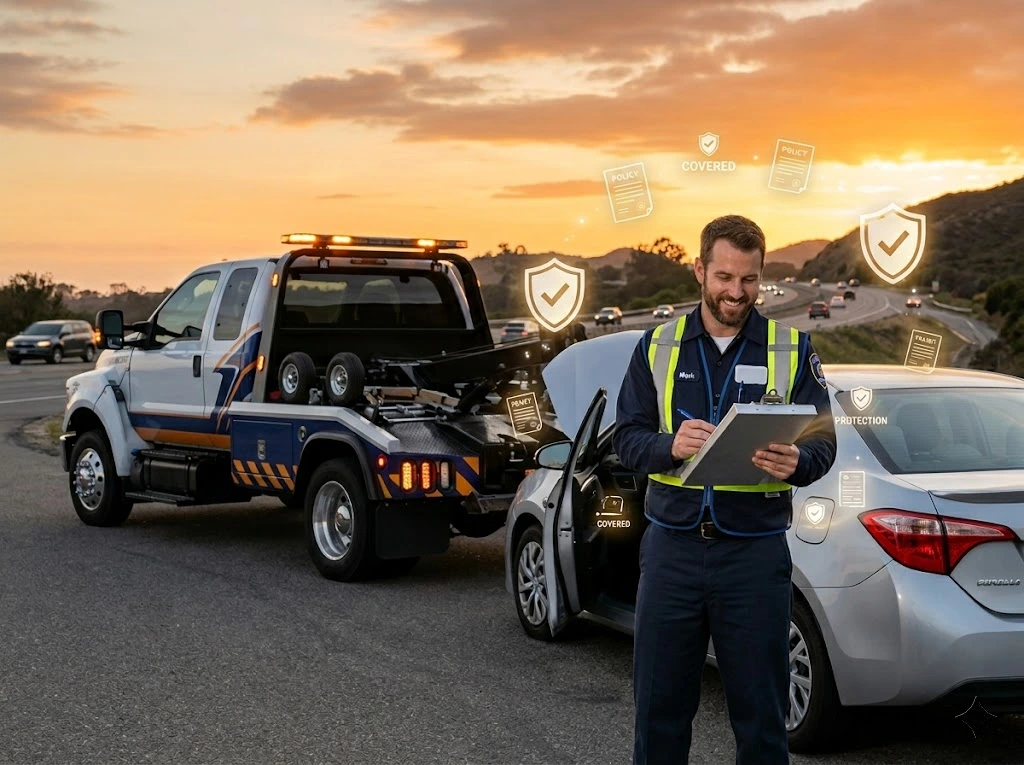
Tow truck insurance is a specialized type of commercial insurance designed to protect towing businesses from financial risks. It typically includes liability coverage for accidents, property damage, and injuries caused during towing operations. This insurance can also cover damage to vehicles being transported, often referred to as on-hook coverage. Additional protections may include garage liability, physical damage, and workers’ compensation.
Since towing involves high-risk situations like roadside assistance and vehicle recovery, having proper insurance ensures legal compliance and safeguards your business, employees, and customers from unexpected losses or claims.
Also Learn: How to File an Insurance Claim for Towing Services?
Why Tow Truck Insurance Is Different from Regular Commercial Auto Insurance
A regular commercial auto policy is built for delivery vans, contractor trucks, or service vehicles. Tow trucks operate under a much higher risk profile for several reasons.
First, the vehicle being towed is in your legal custody from the moment you hook up. If anything happens to it, you are responsible. Second, towing operations frequently involve roadside work, which exposes drivers to oncoming traffic and creates a higher accident frequency than most commercial driving jobs. Third, repossession, police-call towing, and recovery work each carry different liability levels, and insurers price these differently.
Insurance carriers that specialize in towing know these risks and write policies accordingly. Trying to insure a tow truck on a generic commercial policy almost always leads to denied claims when it matters most.
We Handle Every Tow With Full Accountability Professional, insured, and always reliable. See How We Work
Types of Tow Truck Insurance Coverage
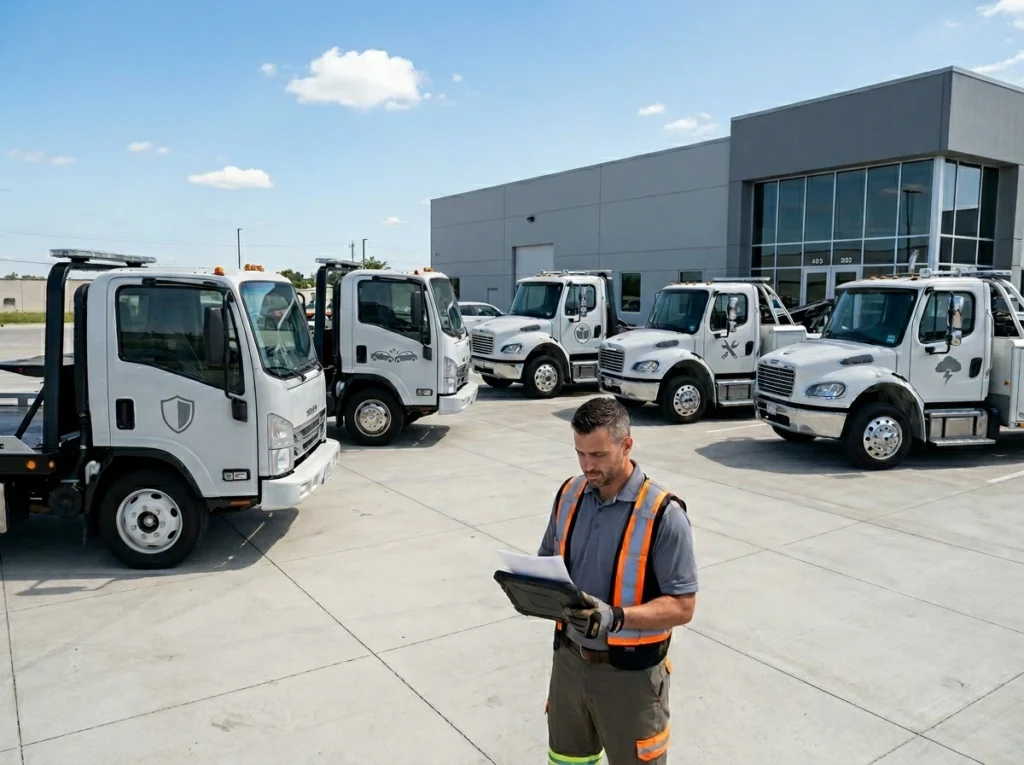
Most towing businesses need a combination of the following coverages. Understanding what each one does will help you avoid gaps that could put your business at risk.
| Coverage Type | What It Covers | Why You Need It |
|---|---|---|
| Primary Liability | Bodily injury and property damage you cause to others while driving | Required by law in every state and by the FMCSA for interstate operators |
| On-Hook Towing | Damage to the customer’s vehicle while it is connected to your truck | Protects you from claims when a towed car is damaged in transit |
| Garagekeepers Legal Liability | Damage to customer vehicles while parked at your storage lot or shop | Covers fire, theft, vandalism, and collision at your facility |
| Physical Damage | Damage to your own tow truck from accidents, theft, fire, or weather | Protects your most expensive business asset |
| Medical Payments | Medical bills for you or passengers in your truck after an accident | Pays regardless of fault |
| Uninsured Motorist | Injuries caused by drivers without insurance | Critical given how many uninsured drivers are on US roads |
| General Liability | Slip and fall or non-auto incidents at your business | Covers customers visiting your office or lot |
| Workers Compensation | Medical care and lost wages for injured employees | Required in nearly every state if you have employees |
| Occupational Accident | Coverage for owner-operators not eligible for workers comp | An alternative for solo operators and 1099 drivers |
1. Primary Liability
This is the foundation of every tow truck policy. It covers injuries and property damage you cause to other people. If you rear-end a car at a stoplight, primary liability pays for the other driver’s medical bills and vehicle repairs. Federal regulations require interstate tow operators to carry at least $750,000 in primary liability, and many shippers and motor clubs require $1 million.
2. On-Hook Towing Coverage
On-hook coverage protects the vehicle you are towing while it is connected to your truck. If a customer’s BMW slides off your flatbed or gets damaged when a chain breaks, on-hook pays for the repair. Limits typically range from $50,000 to $250,000 depending on the vehicles you tow. If you regularly handle exotic or luxury cars, you need higher limits.
3. Garagekeepers Legal Liability
Once a vehicle reaches your storage lot, on-hook coverage stops. Garagekeepers takes over. It pays for damage to customer vehicles in your care, custody, or control at your facility. There are three forms of this coverage, and choosing the right one matters. Legal liability only pays when you are proven negligent. Direct primary pays regardless of fault, which is what most professional operators carry. Direct excess fills in over the customer’s own insurance.
4. Physical Damage
This protects your tow truck itself. Comprehensive covers theft, fire, vandalism, and weather damage. Collision covers crashes. Given that a new heavy-duty wrecker can cost between $150,000 and $400,000, skipping physical damage on a financed truck is a recipe for disaster.
5. Medical Payments and Uninsured Motorist
These two coverages protect you and your driver. Medical payments handles immediate medical bills after an accident regardless of fault.
Uninsured and underinsured motorist coverage steps in when the at-fault driver does not have enough insurance to cover your injuries. With roughly one in eight drivers in the US driving without insurance according to recent industry estimates, this coverage is more important than many operators realize.
Federal and State Requirements
Tow truck insurance requirements depend on whether you operate within one state or cross state lines.
For intrastate operators, each state sets its own minimum liability limits, which are typically between $300,000 and $750,000. Some states like California and Texas have specific requirements for police rotation operators, including higher liability limits and proof of garagekeepers coverage.
For interstate operators, the Federal Motor Carrier Safety Administration sets the minimums. For non-hazardous freight in vehicles over 10,000 pounds, the federal minimum is $750,000 in liability. For hazardous materials, the minimum jumps to $1 million or $5 million depending on the cargo class. You will also need to file a Form MCS-90 endorsement and register with the FMCSA.
Most motor clubs like AAA, Agero, and Urgent.ly require contracted operators to carry at least $1 million in combined single limit liability, plus on-hook and garagekeepers coverage with specific minimums. If you want to grow through motor club work, plan for these higher limits from day one.
How Much Does Tow Truck Insurance Cost in the USA?
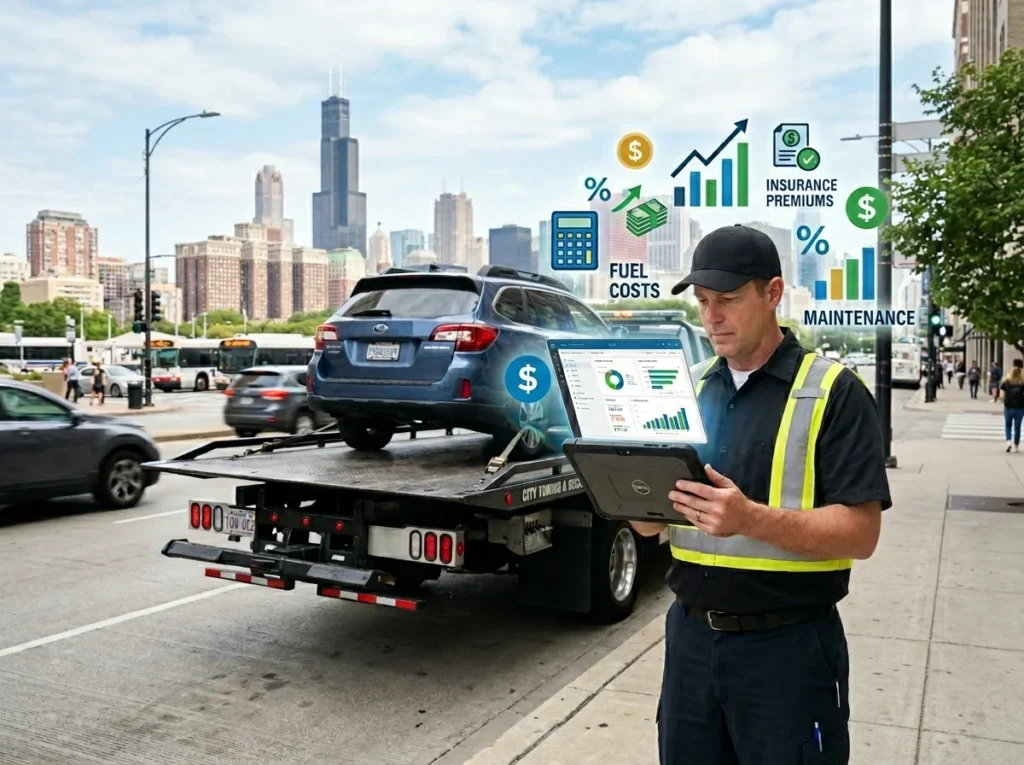
This is the question every operator asks first. The honest answer is that costs vary widely based on truck type, location, driving record, and the type of work you do. That said, here are realistic ranges for 2026 based on industry data.
| Tow Truck Type | Typical Annual Premium Range | Most Common Use |
|---|---|---|
| Light Duty Wrecker | $5,000 to $9,000 | Roadside assistance, motor club work |
| Flatbed / Rollback | $6,000 to $12,000 | Private property, dealer transport, accident recovery |
| Medium Duty Wrecker | $9,000 to $15,000 | Box trucks, RVs, large pickups |
| Heavy Duty Wrecker | $12,000 to $22,000 | Semi trucks, buses, heavy recovery |
| Rotator | $18,000 to $35,000 | Heavy recovery, technical rescue |
| Repo Truck | $7,000 to $14,000 | Repossession work (higher risk classification) |
Several factors push premiums up or down. Operators in dense urban areas like New York, Los Angeles, Miami, and Chicago typically pay 30 to 50 percent more than operators in rural areas. A clean five-year driving record on every driver can save you thousands. Police rotation work and repossession work both carry surcharges because of the higher claim frequency. Newer trucks generally cost more to insure for physical damage but may qualify for safety discounts.
A solo operator with one light-duty wrecker, a clean record, and no motor club contracts might pay $5,500 a year. The same operator running heavy recovery in a metro area with two trucks and three drivers could easily pay $40,000 or more.
Common Reasons Claims Get Denied
Nothing is worse than paying premiums for years and having a claim denied when you need it. After working with hundreds of towing operators, here are the most common reasons claims fail.
1. The first is misclassified operations. If you told your agent you only do private property towing but your claim happens during a police call, the carrier may deny coverage. Always update your agent when your business model changes.
2. The second is undisclosed drivers. If a driver who was not listed on your policy causes an accident, expect a denial or at minimum a major rate hike. Add every driver, including occasional helpers, to your policy.
3. The third is insufficient on-hook limits. Towing a $90,000 truck on a $50,000 on-hook policy means you are personally on the hook for the difference if something goes wrong. Match your limits to the vehicles you actually tow.
4. The fourth is failing to maintain garagekeepers coverage. Many operators drop this to save money, then face a fire or theft at their lot and lose everything. If you store customer vehicles, you need this coverage.
5. The fifth is using the truck for non-disclosed activities. Hauling personal items, doing side work, or using the truck for activities outside your stated operations can void coverage.
Your Vehicle Is in Safe Hands With Us Worried about how your car will be handled during a tow? Our certified operators treat every vehicle like it’s their own, with the right equipment, the right technique, and full accountability. Book a Tow in Milwaukee or call us directly: (414) 973-1902, available 24/7
How to Lower Your Tow Truck Insurance Premiums?
Insurance is one of your biggest fixed costs, but there are real ways to bring it down without cutting corners on protection.
Start with driver quality. Hire drivers with at least three years of clean commercial driving experience. Run motor vehicle reports annually and remove drivers with violations. A single DUI on a driver’s record can double your premium overnight.
Invest in safety technology. Dash cameras, GPS tracking, and telematics systems often qualify for discounts of 5 to 15 percent. They also help defend against fraudulent claims, which are common in the towing industry.
Bundle your policies. Carrying your auto liability, garagekeepers, general liability, and workers comp with the same insurer typically saves 10 to 20 percent compared to separate carriers.
Increase your deductibles. Moving from a $1,000 deductible to a $2,500 deductible on physical damage can cut premiums significantly. Just make sure you have the cash reserves to handle a claim.
Pay annually. Many carriers offer a 5 to 10 percent discount for paying the full year upfront instead of monthly.
Work with a specialist agent. Generalist insurance agents often place tow operators with the wrong markets at the wrong price. An agent who specializes in towing knows which carriers want your specific risk and can shop it properly.
Maintain continuous coverage. Lapses in coverage, even for a week, signal risk to underwriters and result in higher rates for years.
What to Look for in an Insurance Carrier?
Not every insurance company writes tow truck coverage well. Some of the most established markets for towing operators in the USA include Progressive Commercial, Sentry Insurance, Great West Casualty, Nationwide, Berkshire Hathaway GUARD, and Canal Insurance. Specialty markets like Lancer and American Inter-Fidelity also serve the segment.
When comparing carriers, look beyond the price. Ask about claim response times, especially for tow operators. Find out if they have 24 hour claim reporting, which is critical when accidents happen at 3 in the morning. Check their financial strength rating with AM Best. A rating of A- or better is what you want. Read reviews from other tow operators in forums and industry groups.
Equally important is your agent. A good towing insurance agent will visit your operation, understand your specific work mix, and structure coverage that fits. They will also be available when you have a claim or need a certificate of insurance for a new contract on short notice.
How to Buy Tow Truck Insurance the Right Way?
Here is a practical step by step process I recommend to operators getting coverage for the first time or renewing.
Start by gathering your documents. You will need your USDOT and MC numbers if you operate interstate, your state operating authority, vehicle VINs and values, driver license numbers and dates of birth, and a loss history for the last three to five years.
Next, write down your operations clearly. List the percentage of your work that comes from private property, motor club, police rotation, repossession, and accident recovery. Insurance is priced based on this mix, so accuracy matters.
Then get at least three quotes from agents who specialize in towing. Compare not just price but coverage limits, deductibles, and exclusions. The cheapest policy is often the most expensive when you have a claim.
Review the actual policy before you sign. Ask your agent to explain any exclusions, especially for cargo, drivers, and use of the vehicle. Make sure all your trucks and drivers are listed correctly.
Set a calendar reminder 60 days before renewal each year. This gives you enough time to shop the market and avoid being forced to accept a renewal increase because you ran out of time.
Final Thoughts
Tow truck insurance is one of those expenses that feels painful when you are writing the check and priceless when you have a claim. The towing industry runs on thin margins, and one major uncovered loss can shut down a business that took decades to build.
The operators who thrive long term are the ones who treat insurance as a strategic part of their business rather than a cost to minimize. They work with specialist agents, carry the right coverages at the right limits, invest in driver quality and safety technology, and review their policies every year as their business evolves.
If you are starting a towing business, build your insurance plan before you take your first call. If you are already operating, take a hard look at your current policy this month. Are your on-hook limits high enough for the vehicles you actually tow? Is your garagekeepers coverage written on a direct primary basis? Do you have every driver listed? Are you paying for coverage you do not need while missing coverage you do?
Asking these questions today can save your business tomorrow. The road is unpredictable, but your insurance strategy does not have to be.